Tell us a bit about yourself.
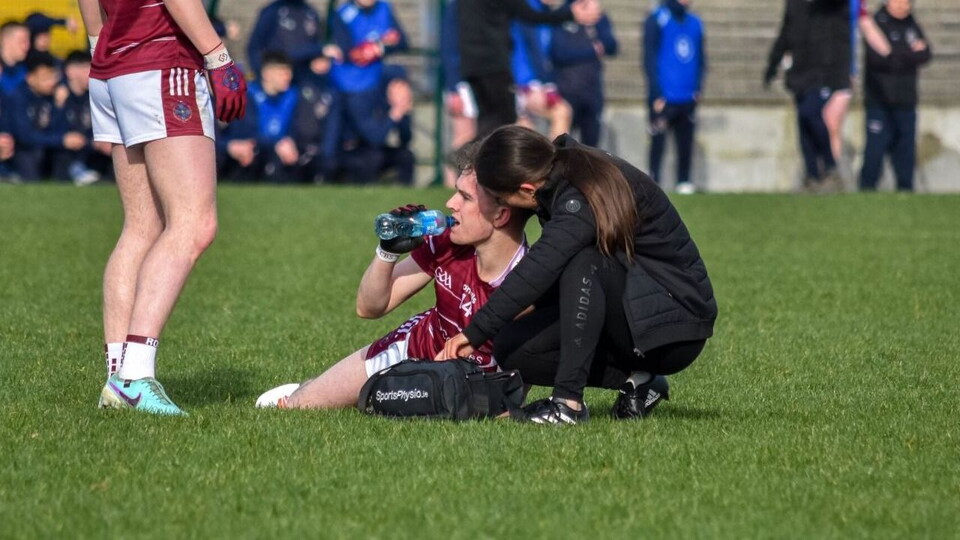
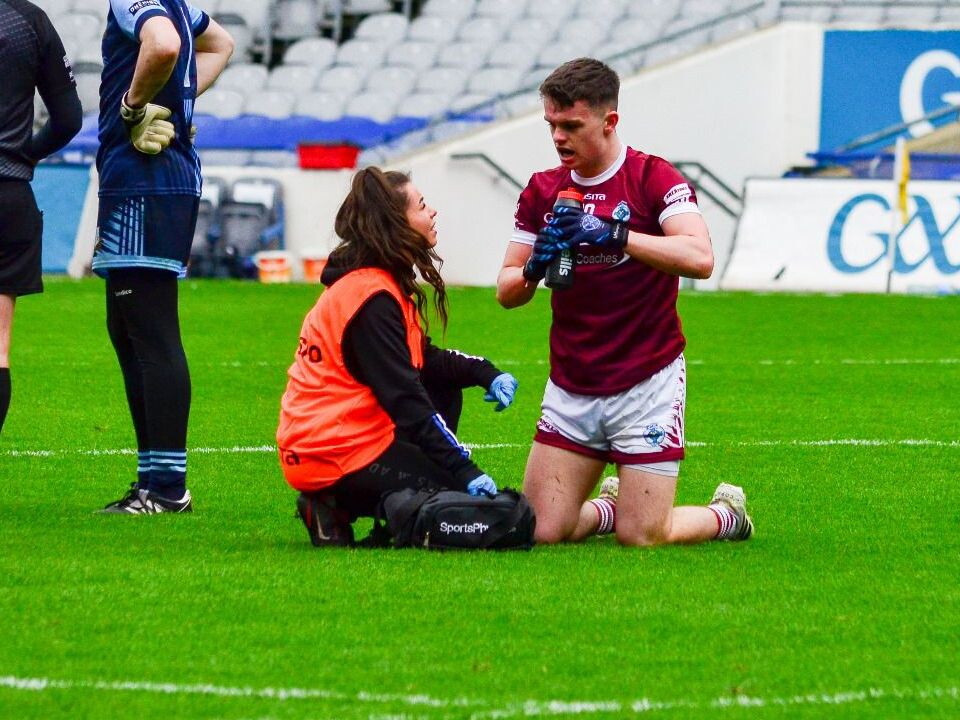
I'm from Monaghan originally, so my background would have always been in Gaelic, but I've always watched rugby. After a knee injury from playing sport and being a patient myself, I realised how important physio was in a rehab setting to sports players, and it made me want to become a sports' physio. I really noticed there aren't many female physios, in terms of sport, and so I thought, you know, I may as well give it a bit of a go. So I went to University of Brighton to do physio, and was able to undertake work experience with Brighton & Hove Albion FC. It gave me a good idea of what a career in sport could look like, and since graduating I have had the chance to work with a variety of teams.
How did you get involved with the Ulster Juniors?
I have worked with the Omagh Accies, which was a great way to get introduced to rugby physio and it was very interesting the differences between doing physio for a Gaelic team than a rugby team. I've always followed Ulster Rugby, my boyfriend is a season ticket holder. So then when the job opportunity came up, I went for it and that's how I got involved.
<br>
What would you say a typical day is like for you when you are working with the players?
So I work in a private sports clinic, and I come straight from work to training. Normally once I arrive, I set the bed up in the changing room and some players will need strapped before training, and then I liaison with the manager on who to keep an eye out for. So it could be, it could be a soft tissue massage, it could be anything. I do that for about the first hour and then I'd go out to the pitch itself, you know, and see them training and see what they look like as they're running, catching things like that. I am always trying to keep ahead of any future kind of injuries. These training sessions are good to kind of get a hold of those long term issues because by the time they're playing proper games the only injuries you're addressing are the ones that happen on the pitch.
So would you say training sessions look different for you than a match?
It is yeah. Training is definitely a heavier workload than the match. It’s trying to get everybody sorted, keeping an eye on everybody. For the match itself, it’s actually more first aid based and any head injuries or things like that. It's the background of the games rather than the match itself that takes more preparation.
Do you think being a female in such a male-dominated space helps you? Or does it hinder you in any way?
I haven't found that it hinders me in any way. Sometimes managers can be a bit more apprehensive, if they see that you're small, they think you might struggle, but to be honest, it doesn't really make a difference to me. I find sometimes because you're the only female, they actually listen to you more. I think as long as you have confidence and you back your decisions clinically, you’re fine. And with the Ulster Juniors, Mike Orchin-McKeever is very receptive as a coach and I know he backs my decisions which is a huge help.
<br>
Would you say your involvement in sport has been positive?
Oh completely. Sometimes when you're a young woman, you can feel the pressure a bit more. But again, if you just back yourself, have the confidence and know that you've made the right decision, then it doesn't matter whether you've seen four years worth of knees or 30 years! In terms of the Ulster Juniors, my experience has been great. I really think rugby is paving the way for women’s sport with female referees and the opportunities for women in the sport.
What would your advice be to a woman hoping to get involved in a career in sport?
I would say just go for it. If you enjoy it, don't be daunted by the prospect of thinking it’s a male dominated kind of area, absolutely not. I absolutely love my job, if I won the lottery tomorrow, I still wouldn't change it. If you hold yourself back from doing things you enjoy because you're worried about what other people think of you, then you’ll miss out on something that could be amazing. The worst thing that could happen is you don't get it. You know you don't get in or you don't get that job, but you'll get something else and one job could lead you into another job. So my biggest advice would be like do what you enjoy. I've had some of the best memories in jobs that I never would have thought I would have, so just go for it.