
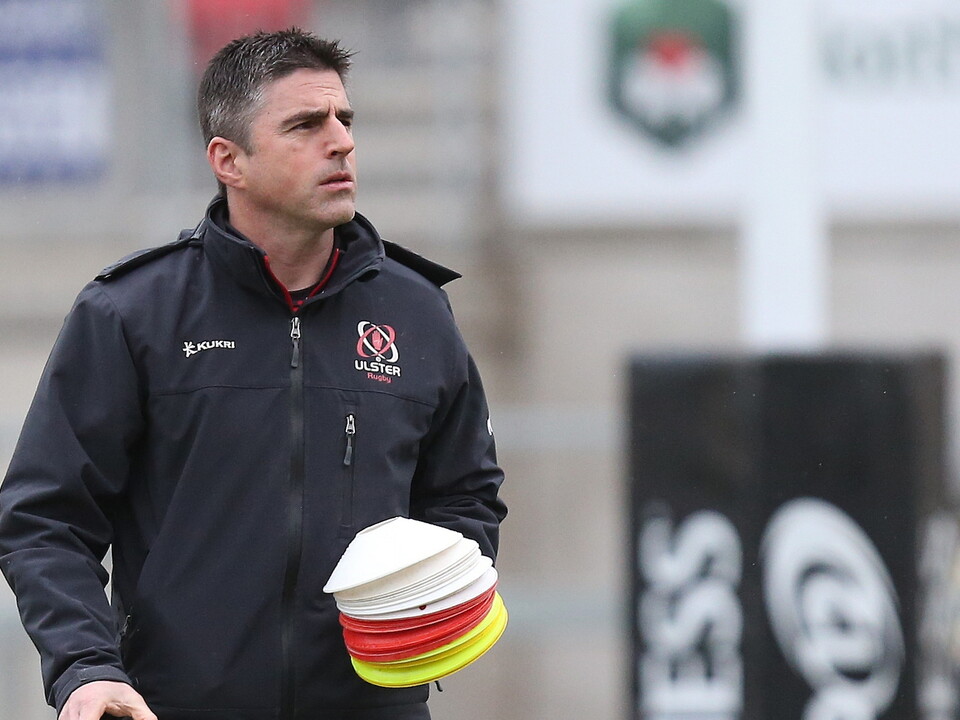
Niall Malone talks us through the advantages of video analysis throughout the season...
Q1. How did you and the other coaches utilise video analysis during pre-season training?
All the rugby sessions are captured using two cameras on high tripods, so we can get the best view of training from two different angles. The footage is then coded and transferred onto computers for all the coaches and players.
Each coach reviews the video footage and presents selected clips to the players to highlight strengths and weaknesses of our play. The coaches and players also have “one to one” meetings where the video footage is reviewed, analysed and talked through.
The players also have access to an app that lets them view training from the comfort of their own homes.
Last season we played 29 matches. We scored 84 tries and conceded 44. We won 18 matches and lost 11. In its simplest terms all the analysis we do is intended to help us to win more matches and score more tries.
We collate lots of data of individual stats such as passes, kicks, rucks, tackles, possession, territory etc. but ultimately as long as we score more points than the opposition we have been successful.
During preseason the video analysis work helps individual players and units within the team to assess how they are improving and how effective new tactics are working before the important matches start.
Q2. What key areas do you look at during training? How do the players use this footage to develop?
The analysis is divided into team play and individual skills. The team play analysis focuses on aspects like lineouts, scrums, backline attack, team defence and restarts. The individual analysis looks very closely at things like body angles, foot placement, balance, tackle technique, kicking etc. At the end of each season the coaches meet to reflect on all aspects of our training play.
Pre-season is the only time of the year that we can address certain areas without the pressure of an important game at the weekend.
This pre-season we have highlighted the handling skills of all of our squad and also the need to have powerful carries through contact among many other skills.
Q3. What is the process of video analysing a game and how is footage broken down for coaching and off-pitch sessions?
During our matches all the coaches receive a live feed of the TV pictures which allows them to watch replays of any part of the game. These replays can help the coaches make decisions on how the match is developing. This information can be passed on to the players at half time or via radio link to the staff on the touchline at other appropriate times during the match.
After the match the broadcasters give us three different camera angles and at Kingspan Stadium we film a fourth view from the back of the Hughes Insurance Family Stand.
The four different cameras give a comprehensive view of everything that happens during the match.
On Monday morning the coaches present a review of the match using statistics and video evidence. Following the team meeting the players go to separate unit meetings (forwards & backs) where Allen Clarke and Neil Doak show more clips relating to their specific unit skills.
By lunch time on Monday we hope to have fininshed reviewing our previous match and then begin previewing the next opposition.
Q4. How has analysis and technology developed since you started coaching?
This is my fifth year as an analyst at Ulster Rugby. During that time the technology has improved and is unrecognisable from five years ago. Unfortunately, the hardware and software that we need can be very expensive but we feel that it is important to make these investments in order for the Ulster team to keep improving and being successful.
The software we, and all professional rugby teams use is called ‘SportsCode’. This software allows us edit our training and matches very quickly. During a live match the team stats such as lineouts and scrums are coded. After the match the analysts work through the night to generate all the individual codes. In the morning the match is fully coded and the information is sent to an app so that the players can watch the game and check their own personal contributions.
Q5. What would you say is the most enjoyable aspect of your role and what is the most challenging aspect?
The most challenging parts of the role are mining through the mountain of data that we create, attempting to find the important pieces of information that will help us to be more successful. Without doubt the most satisfying aspect is
when I can see that a piece of high quality analysis has identified a weakness in the opposition which clearly helped the team to win a match. In the past we have identified specific opposition players that we can target. A good example happened when we played Montpellier in the European Cup in 2014. They had a short right winger who was 5”10, so we devised a play where we kicked the ball to his wing and 6”5 Robbie Diack was hidden on the touchline so he could contest the ball in the air. Robbie caught the ball and scored the first try of the match that we ended up winning 27-16!
Q1. How did you and the other coaches utilise video analysis during pre-season training?
All the rugby sessions are captured using two cameras on high tripods, so we can get the best view of training from two different angles. The footage is then coded and transferred onto computers for all the coaches and players.
Each coach reviews the video footage and presents selected clips to the players to highlight strengths and weaknesses of our play. The coaches and players also have “one to one” meetings where the video footage is reviewed, analysed and talked through.
The players also have access to an app that lets them view training from the comfort of their own homes.
Last season we played 29 matches. We scored 84 tries and conceded 44. We won 18 matches and lost 11. In its simplest terms all the analysis we do is intended to help us to win more matches and score more tries.
We collate lots of data of individual stats such as passes, kicks, rucks, tackles, possession, territory etc. but ultimately as long as we score more points than the opposition we have been successful.
During preseason the video analysis work helps individual players and units within the team to assess how they are improving and how effective new tactics are working before the important matches start.
Q2. What key areas do you look at during training? How do the players use this footage to develop?
The analysis is divided into team play and individual skills. The team play analysis focuses on aspects like lineouts, scrums, backline attack, team defence and restarts. The individual analysis looks very closely at things like body angles, foot placement, balance, tackle technique, kicking etc. At the end of each season the coaches meet to reflect on all aspects of our training play.
Pre-season is the only time of the year that we can address certain areas without the pressure of an important game at the weekend.
This pre-season we have highlighted the handling skills of all of our squad and also the need to have powerful carries through contact among many other skills.
Q3. What is the process of video analysing a game and how is footage broken down for coaching and off-pitch sessions?
During our matches all the coaches receive a live feed of the TV pictures which allows them to watch replays of any part of the game. These replays can help the coaches make decisions on how the match is developing. This information can be passed on to the players at half time or via radio link to the staff on the touchline at other appropriate times during the match.
After the match the broadcasters give us three different camera angles and at Kingspan Stadium we film a fourth view from the back of the Hughes Insurance Family Stand.
The four different cameras give a comprehensive view of everything that happens during the match.
On Monday morning the coaches present a review of the match using statistics and video evidence. Following the team meeting the players go to separate unit meetings (forwards & backs) where Allen Clarke and Neil Doak show more clips relating to their specific unit skills.
By lunch time on Monday we hope to have fininshed reviewing our previous match and then begin previewing the next opposition.
Q4. How has analysis and technology developed since you started coaching?
This is my fifth year as an analyst at Ulster Rugby. During that time the technology has improved and is unrecognisable from five years ago. Unfortunately, the hardware and software that we need can be very expensive but we feel that it is important to make these investments in order for the Ulster team to keep improving and being successful.
The software we, and all professional rugby teams use is called ‘SportsCode’. This software allows us edit our training and matches very quickly. During a live match the team stats such as lineouts and scrums are coded. After the match the analysts work through the night to generate all the individual codes. In the morning the match is fully coded and the information is sent to an app so that the players can watch the game and check their own personal contributions.
Q5. What would you say is the most enjoyable aspect of your role and what is the most challenging aspect?
The most challenging parts of the role are mining through the mountain of data that we create, attempting to find the important pieces of information that will help us to be more successful. Without doubt the most satisfying aspect is
when I can see that a piece of high quality analysis has identified a weakness in the opposition which clearly helped the team to win a match. In the past we have identified specific opposition players that we can target. A good example happened when we played Montpellier in the European Cup in 2014. They had a short right winger who was 5”10, so we devised a play where we kicked the ball to his wing and 6”5 Robbie Diack was hidden on the touchline so he could contest the ball in the air. Robbie caught the ball and scored the first try of the match that we ended up winning 27-16!