
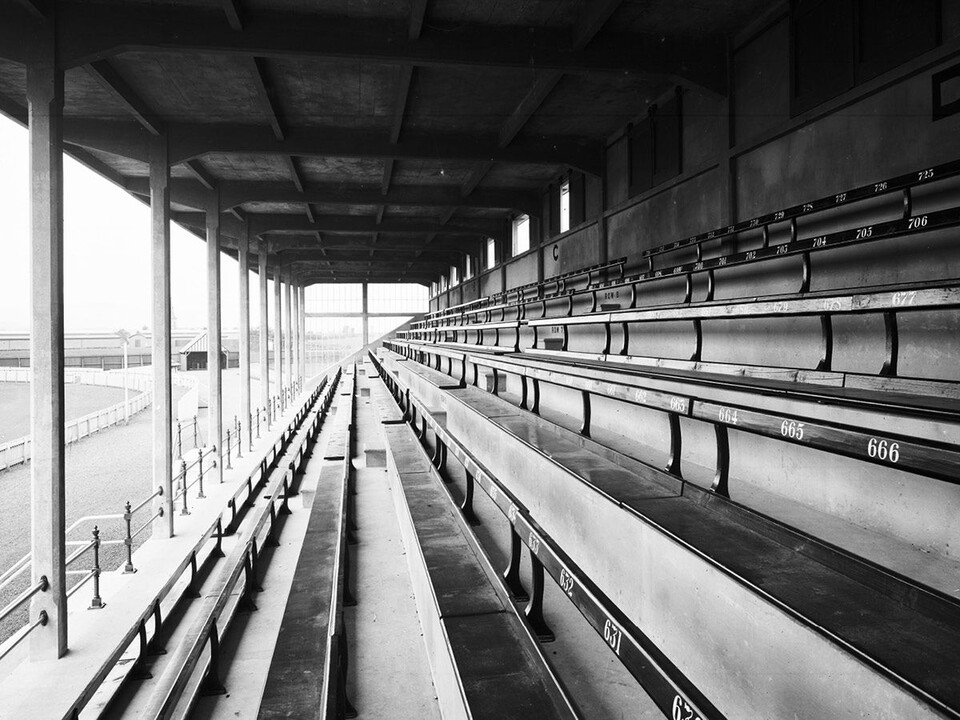
The home of rugby in Ulster has a rich story, steeped in the history books of Irish Rugby, and has seen generations of fans, players, teams and countries mark countless special moments at the ground.
The early Ravenhill
Before the 1920s, Ulster Rugby and Ireland teams would have played matches at the Royal Agricultural Society Grounds in Belfast. The game’s increasing popularity then meant that an alternative ground was needed to meet the public demand for rugby.
In 1922, an advert was put up in the local Belfast newspapers for ‘about six acres of land, suitable for football field, situated Malone Road, Lisburn Road, or Ormeau Road districts.’ An area of nine acres was eventually found in the Ravenhill area and bought for £2380 in 1923. Not a bad deal!
Belfast architects, Henry Hobart and Samuel Heron, were chosen to design the new rugby stadium.
Plans were submitted to build a grandstand and a concrete boundary wall. Original designs show two changing rooms, bathrooms, groundsman lodgings, committee room, office, tea room, bar, press room and ladies’ cloakroom. Everything you could ever need right?
The hottest ticket in town…
In a world before Ticketmaster or being sent a ticket link over email, matches were advertised in the local newspapers.
The game to usher in the new era? An Interprovincial derby against Leinster on Saturday 12th January 1924 (kick-off, 2.45pm).
Ticket prices then were 1 shilling for a Ground ticket, two shillings for the Promenade and three shillings to be in the Grandstand.
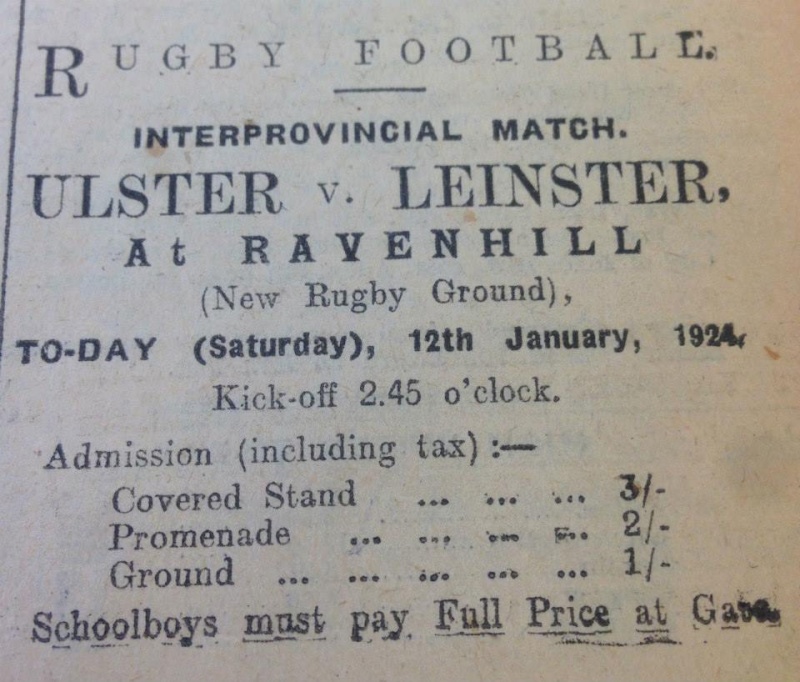
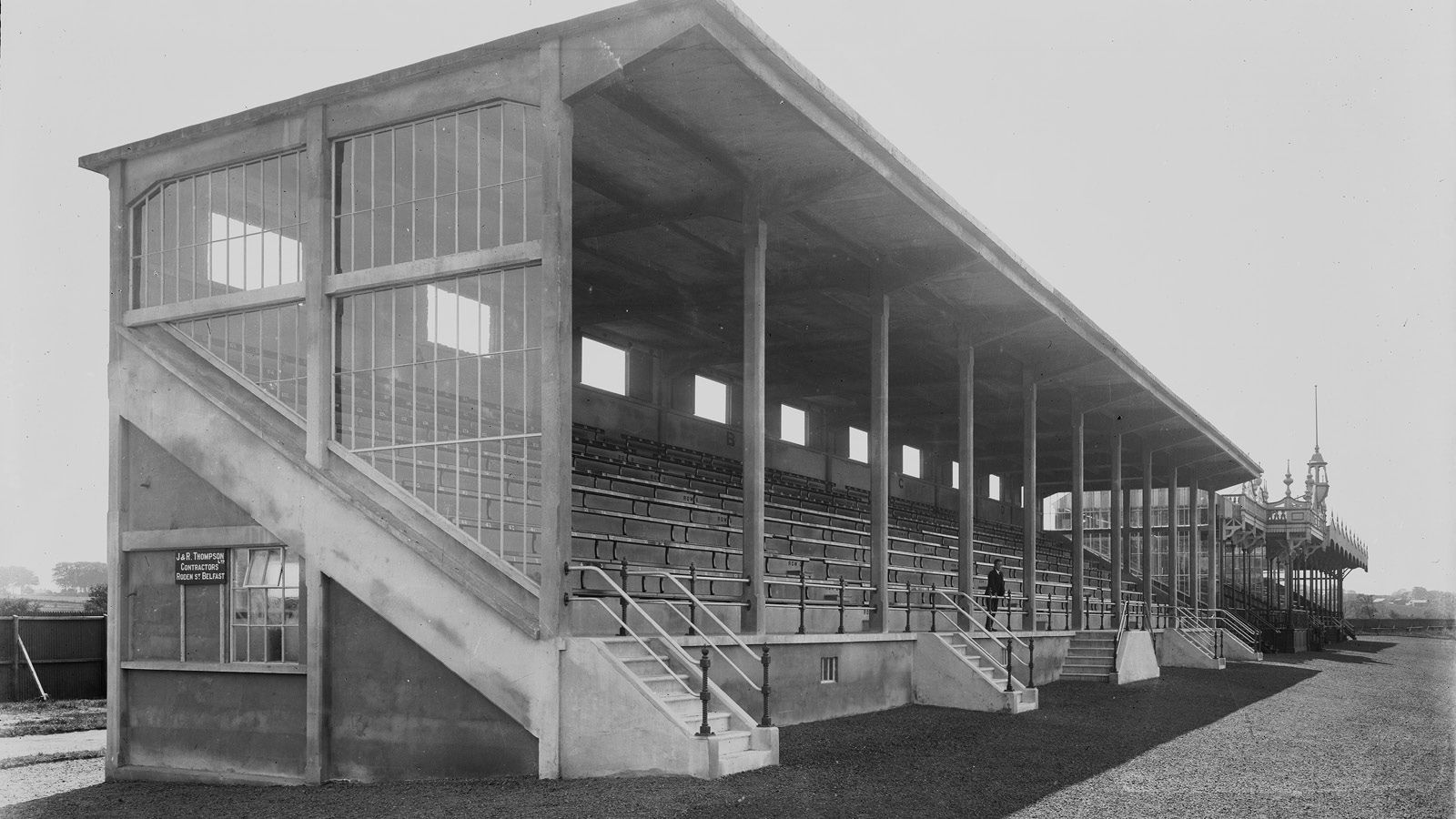
The match itself finished in a fitting 14-6 victory for Ulster.
A report in the Sunday Independent said that the new Ravenhill ground ‘will fill a long-felt want in Belfast, and the surface, despite the frost, snow and rain during the week, was in splendid condition’.
Soon after, Ravenhill would play host to Ireland v England on the 9th February 1924. Ireland lost 3-14 on the day but it marked a momentous occasion for a packed house.
British Pathé archives show how busy Ravenhill was on the day and gives us a picture of what a huge venue it had become.
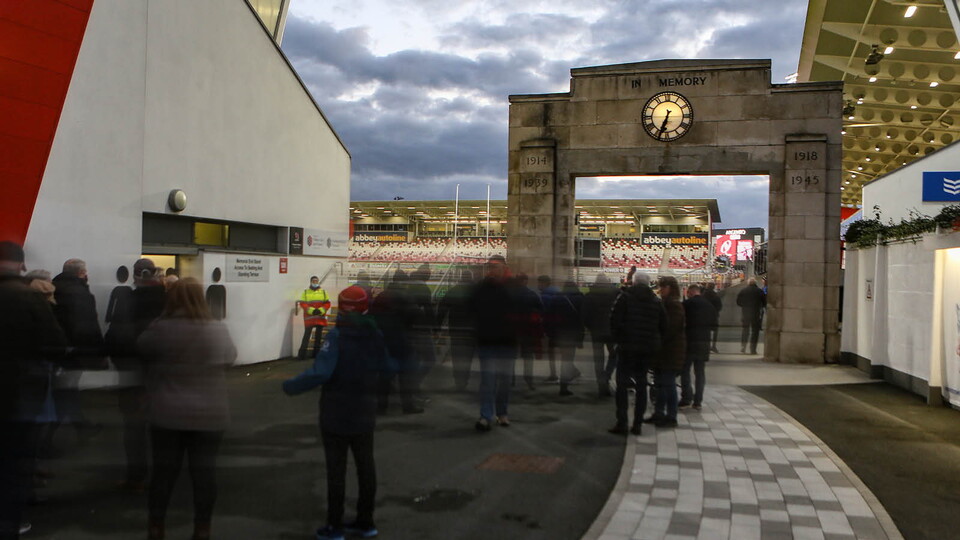
In 1926, the Memorial Arch was erected at the stadium, to honour those who lost their lives in the First World War.
The Memorial Arch remains an important landmark at the ground to this day, as fans walk under it while making their way to the stands.
Ulster would welcome a number of international teams to Ravenhill through the years, and recorded a famous draw against the mighty All-Blacks in 1935.
New Zealand rocked up to Belfast for the 22nd game of their tour and were held to a 3-3 draw at Ravenhill. It would be the first time an Irish side were able to match the team seen as the best in the world.
Rugby matches were suspended during World War II, however Ravenhill hosted games during that time to raise money for the Red Cross charity.
American troops also used the ground for baseball and American Football in 1942 to raise money for the war effort.
Grand Slam win
Last year, Andy Farrell’s Ireland team sealed a famous 2023 Grand Slam Guinness Six Nations victory with a win over England at Aviva Stadium sealing the campaign in style.
That Grand Slam was Ireland’s fourth in history, but did you know that the first was secured at Ravenhill?
Ireland’s first Grand Slam, in the then Five Nations Championship, was won with a tight 6-3 victory over Wales on the 13th March 1948 at a packed Ravenhill.
That Ireland team featured nine Ulstermen and was spearheaded by the legendary out-half, Jack Kyle, who would go on to be crowned the greatest ever Irish rugby player by the IRFU in 2002.
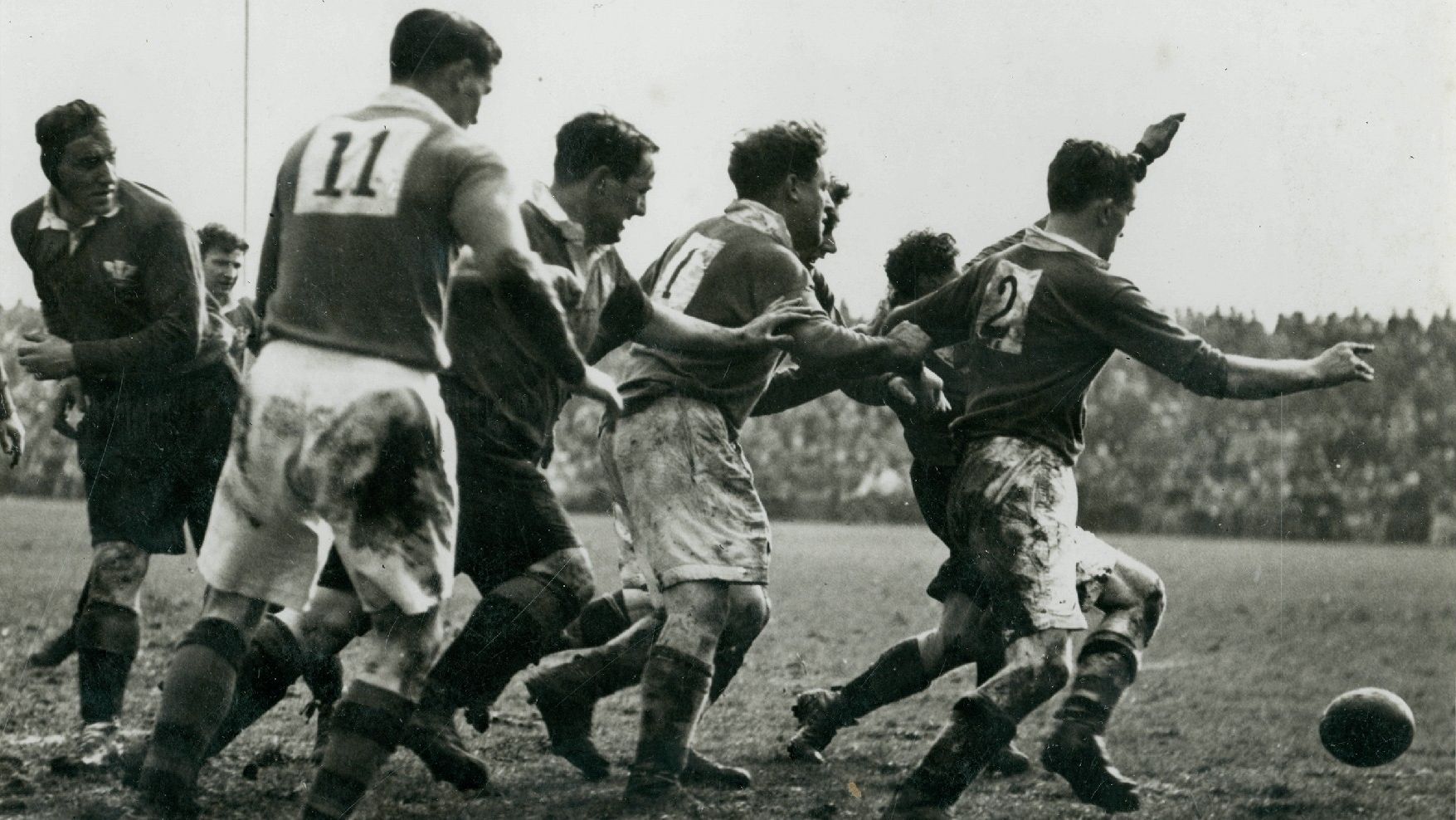
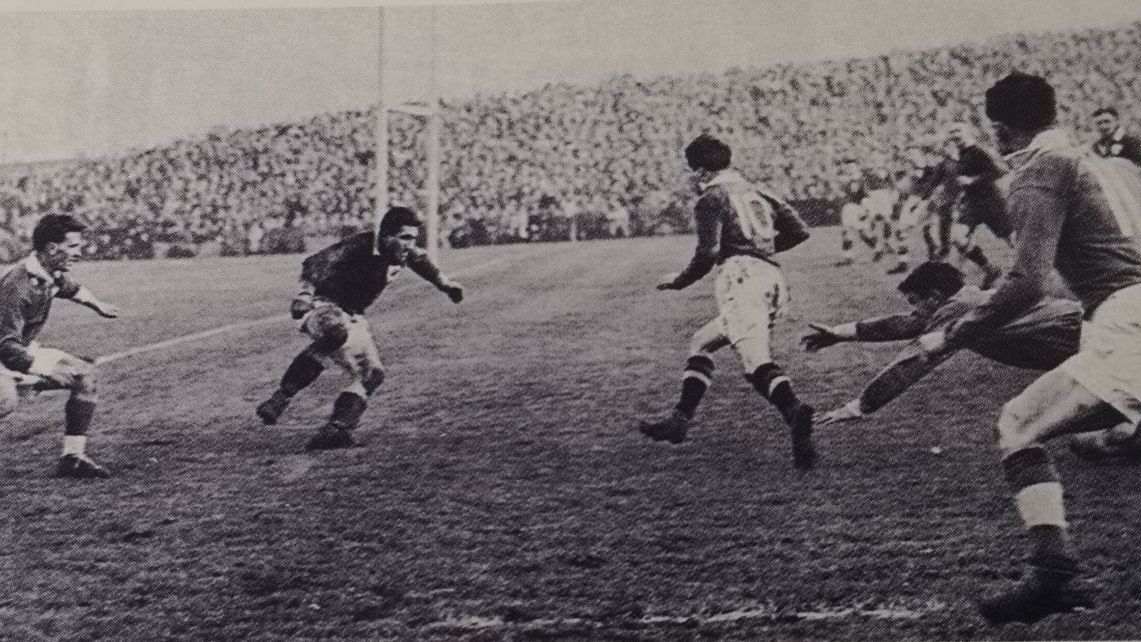
One of Kyle’s quotes from the championship sits proudly in Ulster’s Nevin Spence centre where he added “I think the 1948 side was a team in every sense of the word. There was great team spirit and I was fortunate to have such a fine back row.”
Kyle would go on to be an Ulster legend and even had a poem made in his honour and his performance against France at Ravenhill in 1953 that read: “They seek him here, they seek him there. Those Frenchies seek him everywhere. That paragon of pace and guile, That damned, elusive Jackie Kyle."
Translated to 2024, that essentially reads that Kyle was the GOAT.
International scalps
Ulster would welcome a number of international teams such as New Zealand, South Africa and Australia to Ravenhill through the decades.
When welcoming international representative sides, Ulster initially struggled with the strength of their international opposition, who would have been touring at the time.
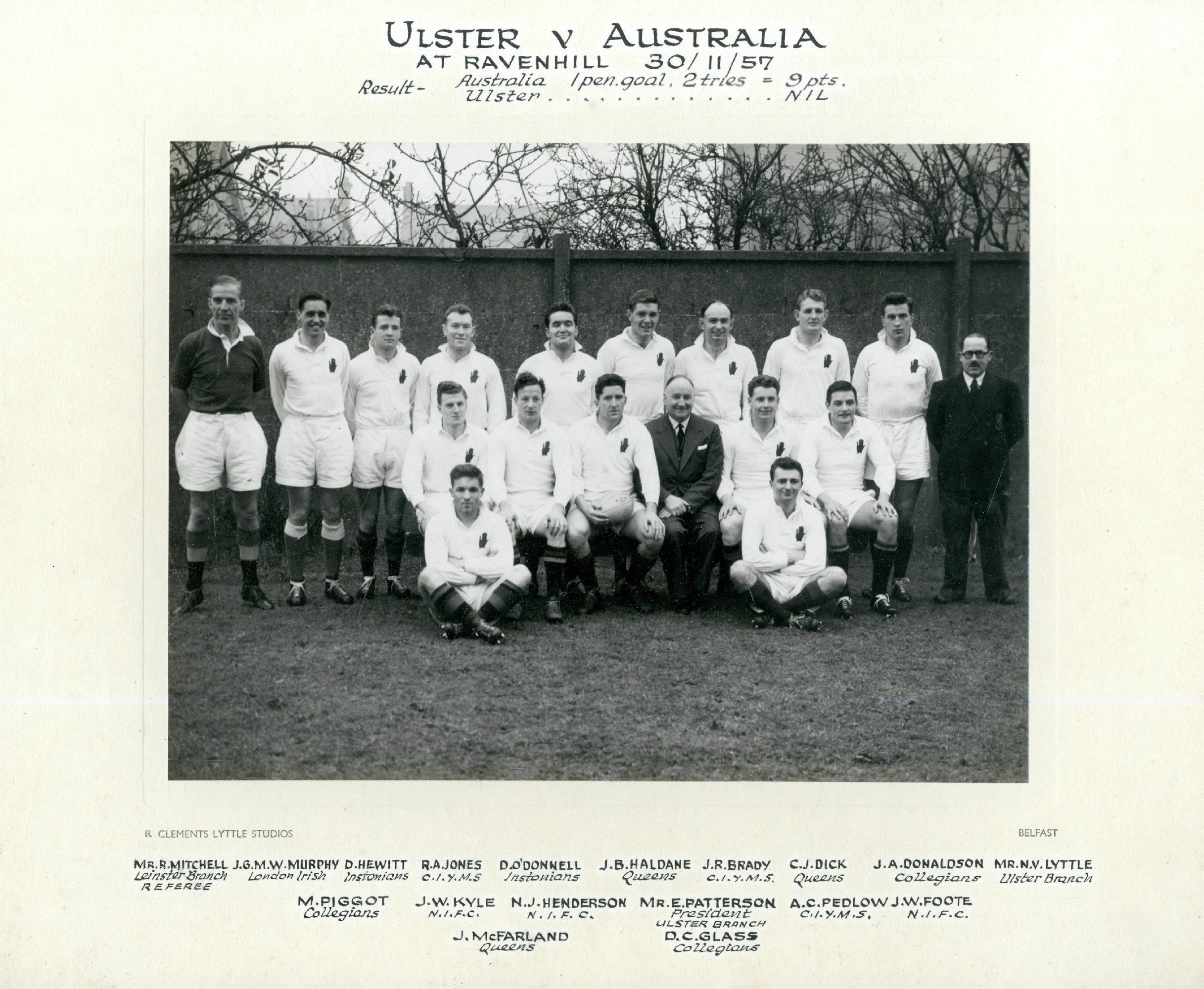
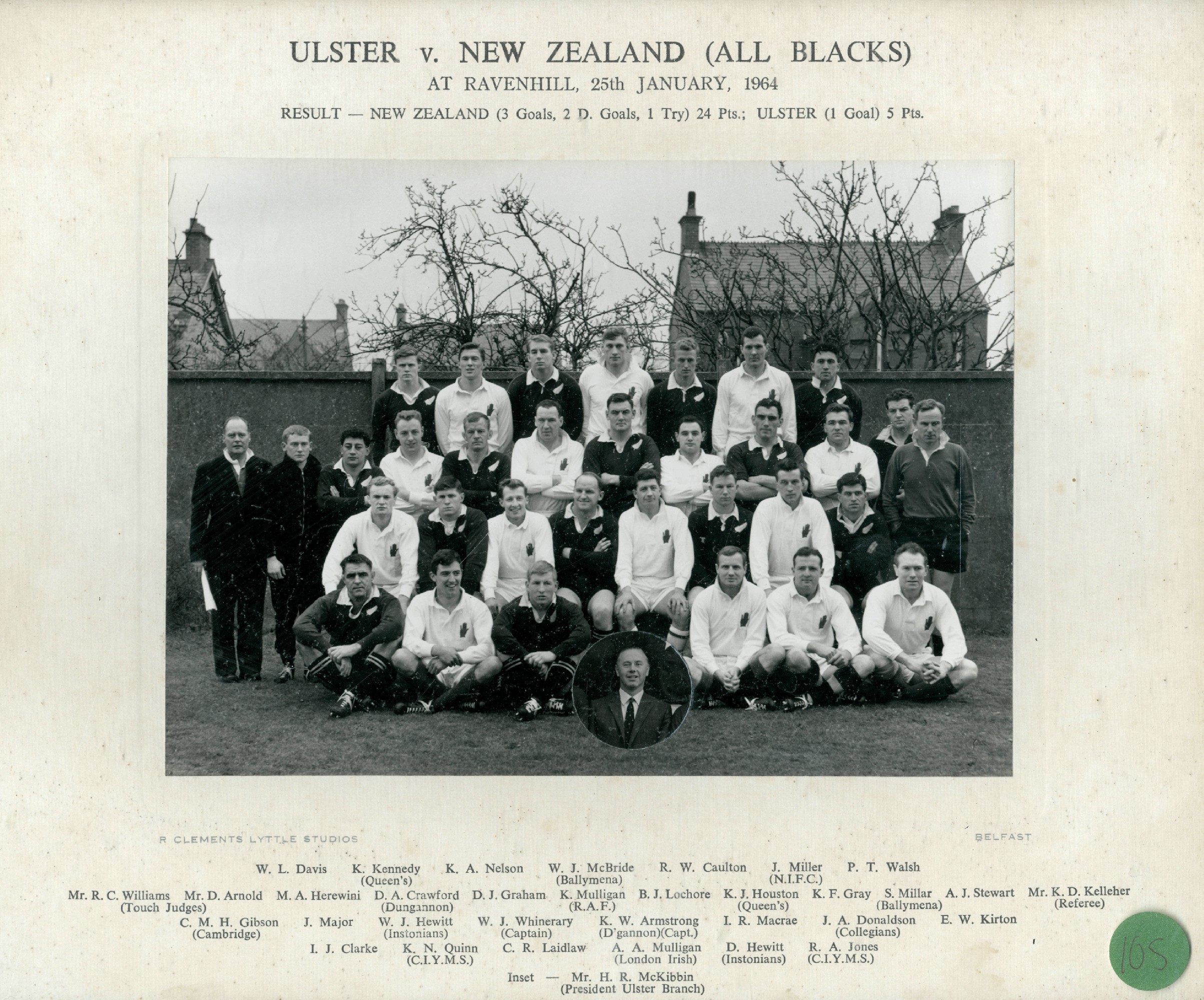
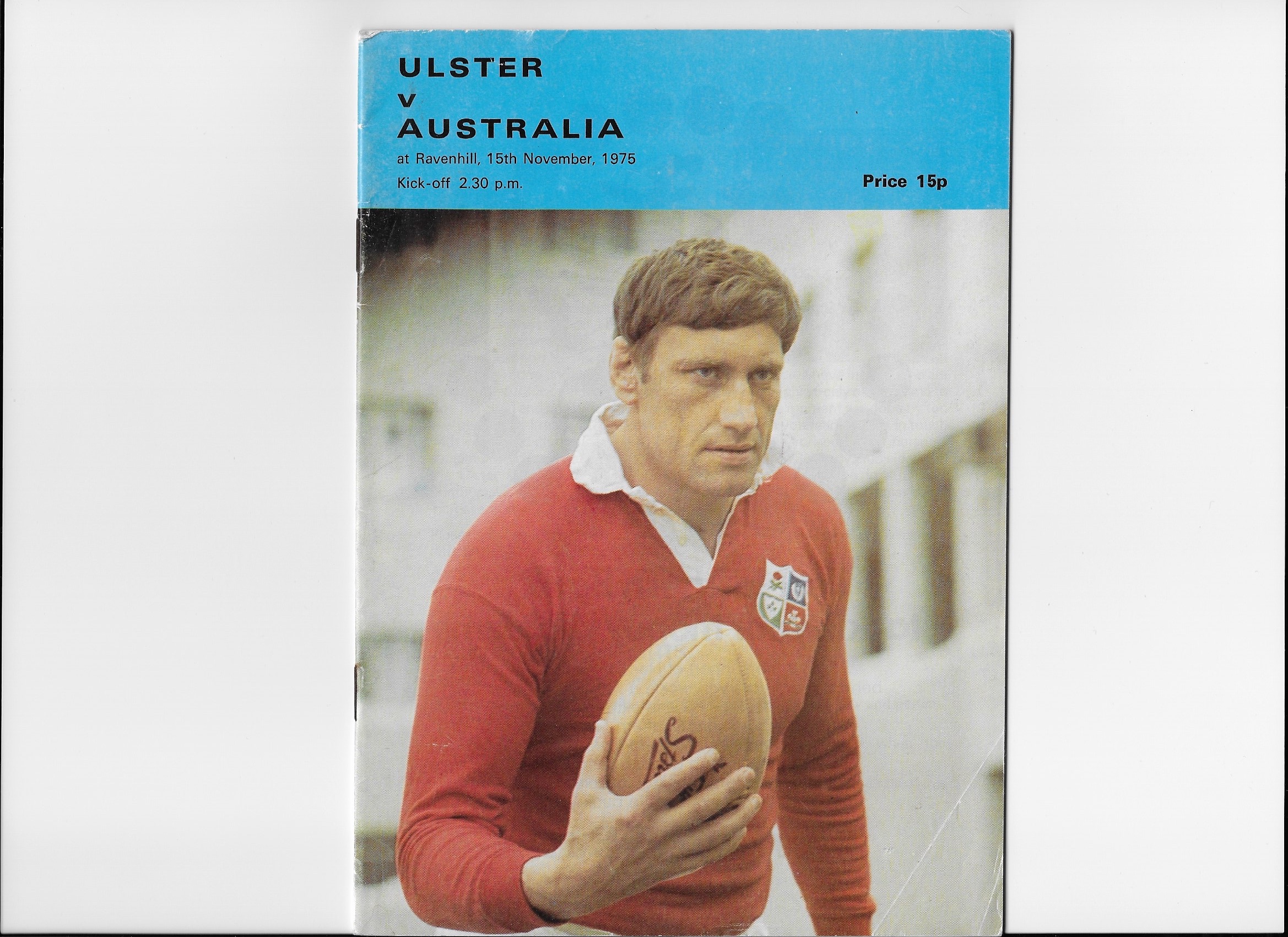
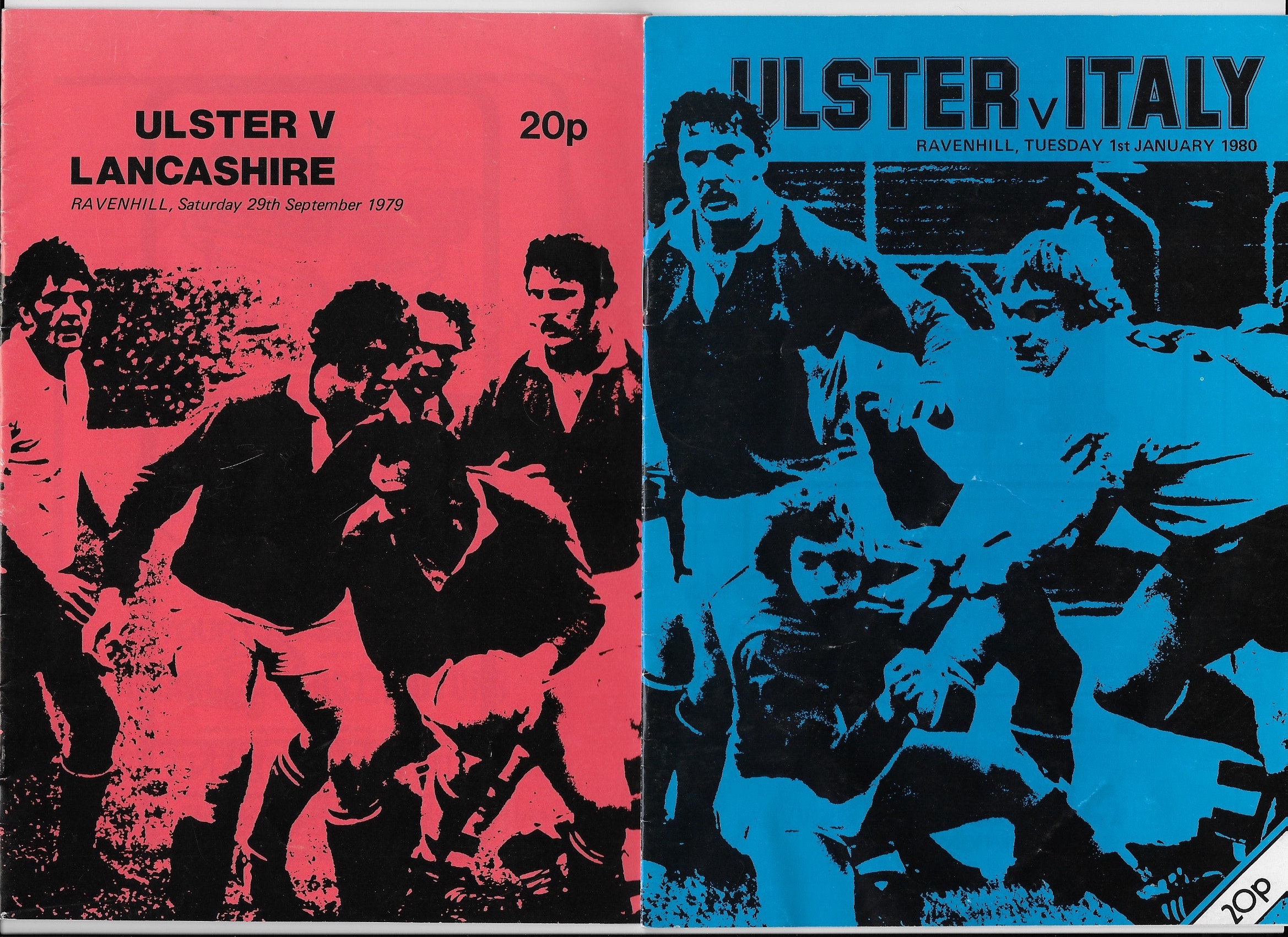
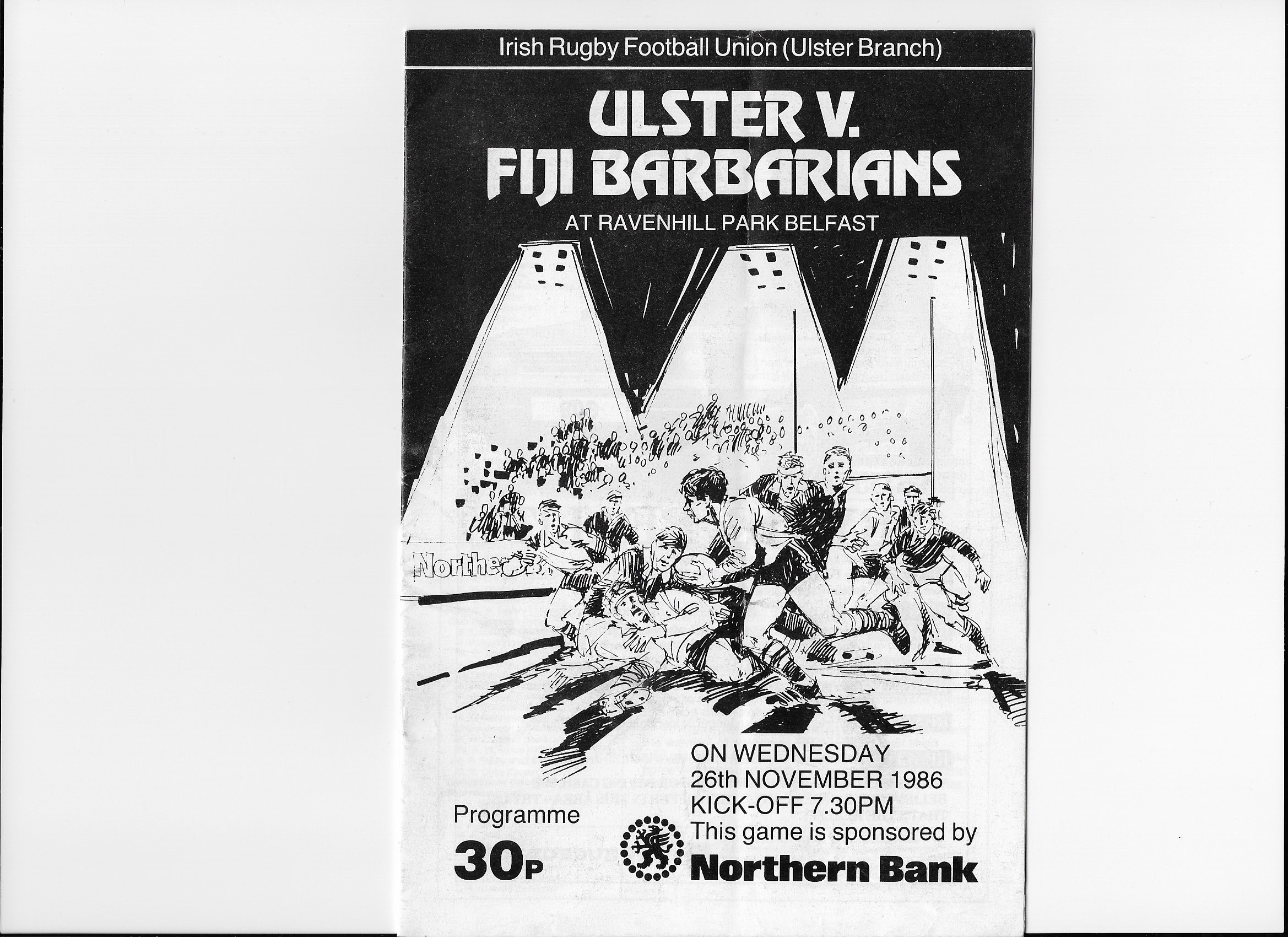
Ulster recorded their first knock-out blow against a Southern Hemisphere team, when they defeated Argentina in November 1974 with a score of 23-13.
Ulster’s legendary captain and British and Irish Lions leader, Willie John McBride, led the team that day at Ravenhill to a landmark win and occasion.
Ulster’s next major home scalp would take place ten years later, in 1984, when the province famously defeated the all-conquering Australia side, who would defeat England, Scotland, Wales and Ireland on their tour.
The Wallabies had just seen off England and Ireland, and many expected them to beat Ulster with ease.
But what hit the Aussies, is still known to this day as the famous ‘Ravenhill Roar’ as the crowd made a rainy day, hell for the visitors.
Phillip Rainey was the kicking hero on the day, with his penalty at the end of the match making the difference against the stars of Australia.
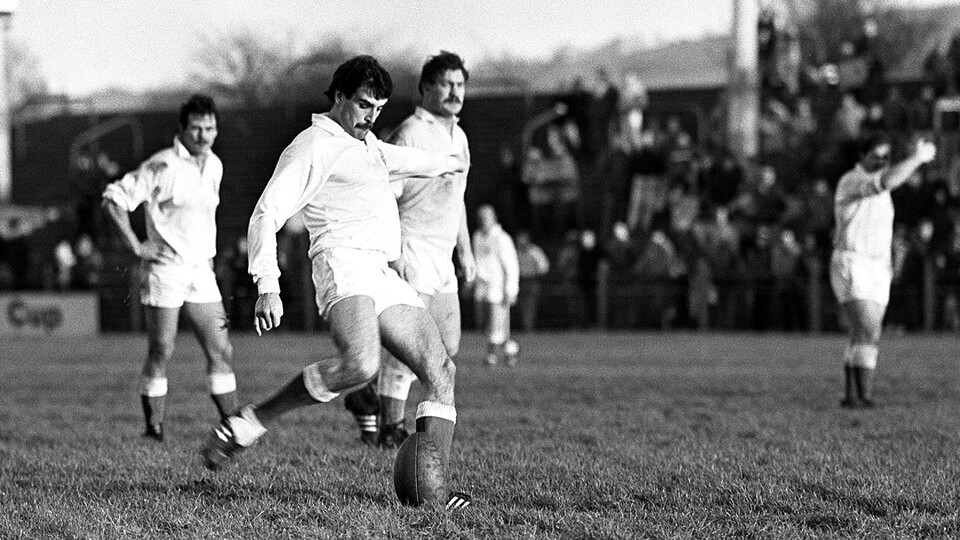
One of Ravenhill’s most successful days helped kick-start a dominant era for Ulster, as they would go on to win 20 out of the next 21 interprovincial derbies between 1984 and 1990.
BBC Radio Ulster commentator, Jim Neilly, was there that day and told Ulster Rugby that it was a momentous day in the province’s history.
Neilly added:
“It was a very a very strong Australian team and it was an awful day weather wise. Australia took the lead, David Campese gave away a penalty and Phillip Rainey, who wasn’t the first-choice goal kicker at the time, stepped up to put it between the posts.
It was a historic victory as that Australia side won the Grand Slam that Autumn, Andrew Slack was the captain, it was a very good side but Rainey put in the best kick of his life to win it!"
Neilly adds the atmosphere was one for the books. “It was unbelievable, we didn’t get major touring teams coming to Belfast all too often, so despite the conditions it was a really big deal at the time. It kicked off the start of a brilliant run for the Ulster side, who didn’t lose an interpro for ten years!
That side had Irwin leading, Willie Anderson, Keith Crossan, Nigel Carr and I think had there been a European Cup during that time, they would have won it, they were a quality side.”
European success
Ulster’s infamous 1999 European Cup win was perhaps seen as the greatest day in the club’s history. Ulster defeated French side, Colomiers, by 21-6 at Lansdowne Road on the 30th January, 1999.
Penalties on the day by Simon Mason and a drop goal from legendary out half, David Humphreys, were enough on the day to secure the Heineken Cup.
Ulster fans travelled down to Dublin in their masses, with players noting the sea of red and white at Lansdowne that day. David Humphreys summed up the day by saying "I would have hated to be been in the French side that day. They were playing a side that refused to contemplate defeat and a crowd so psyched up, so noisy, so passionate that it must have scared them to death."
Ravenhill played it’s role in the win too, with two barnstorming ties en route to the final.
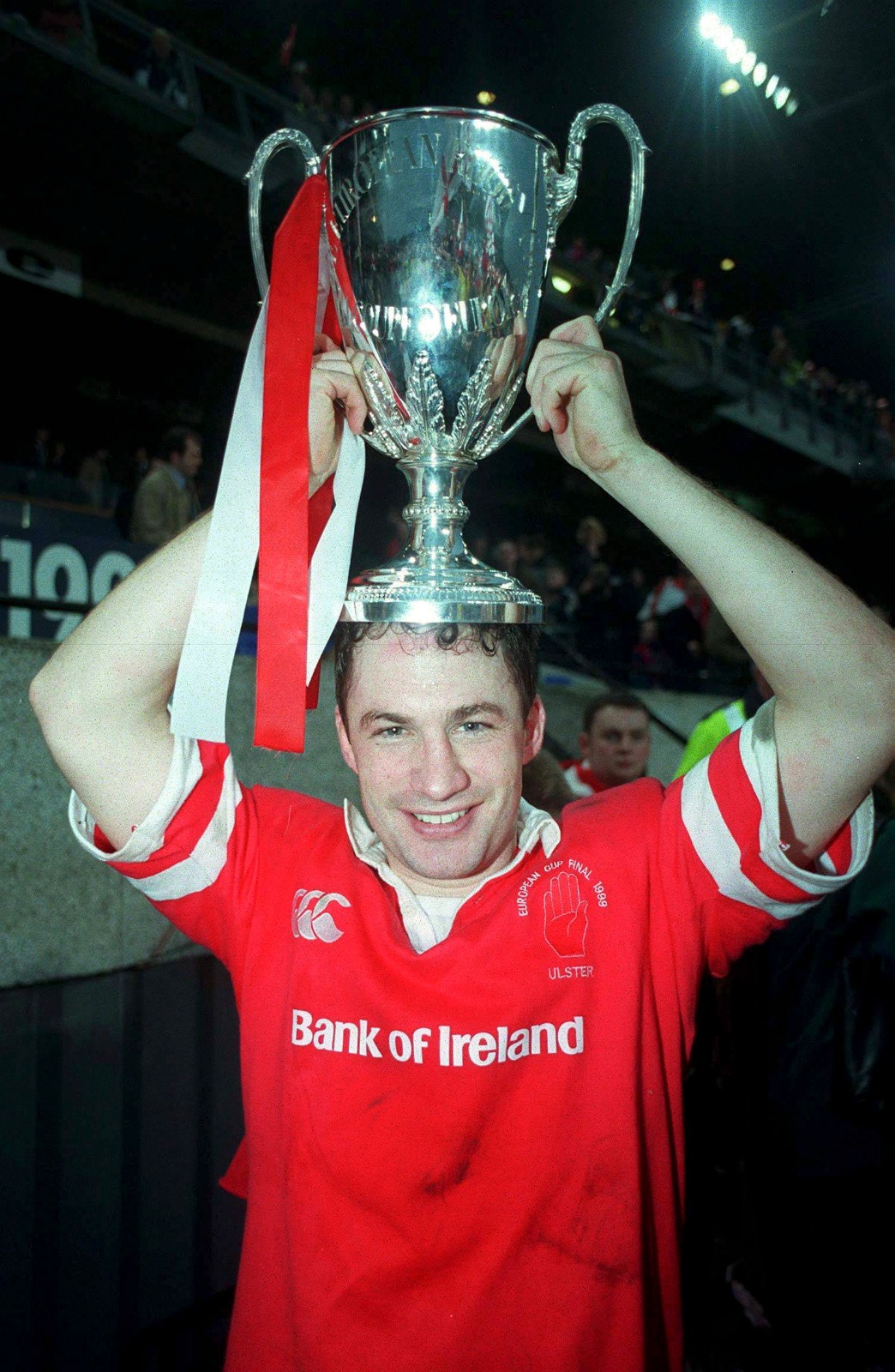
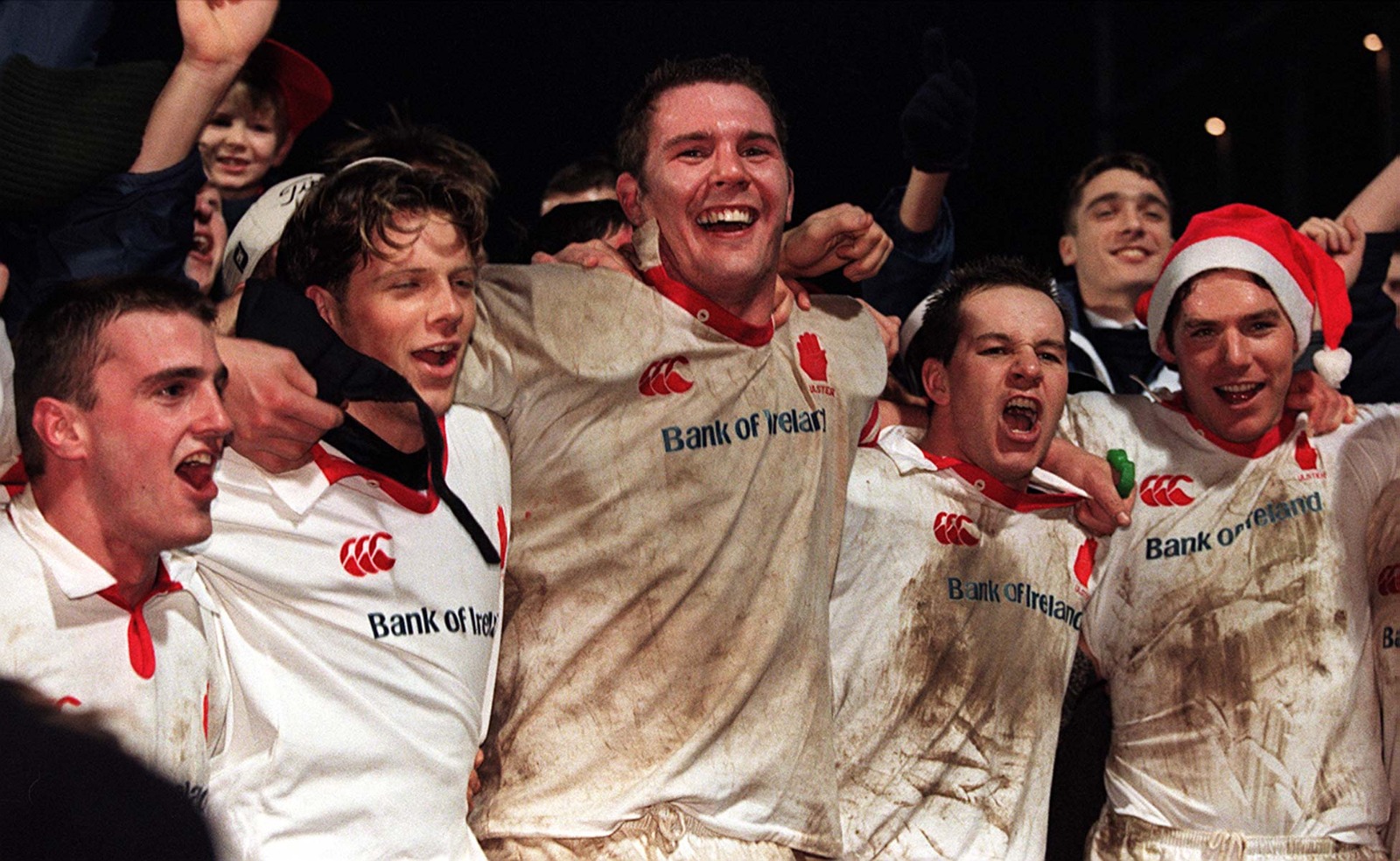
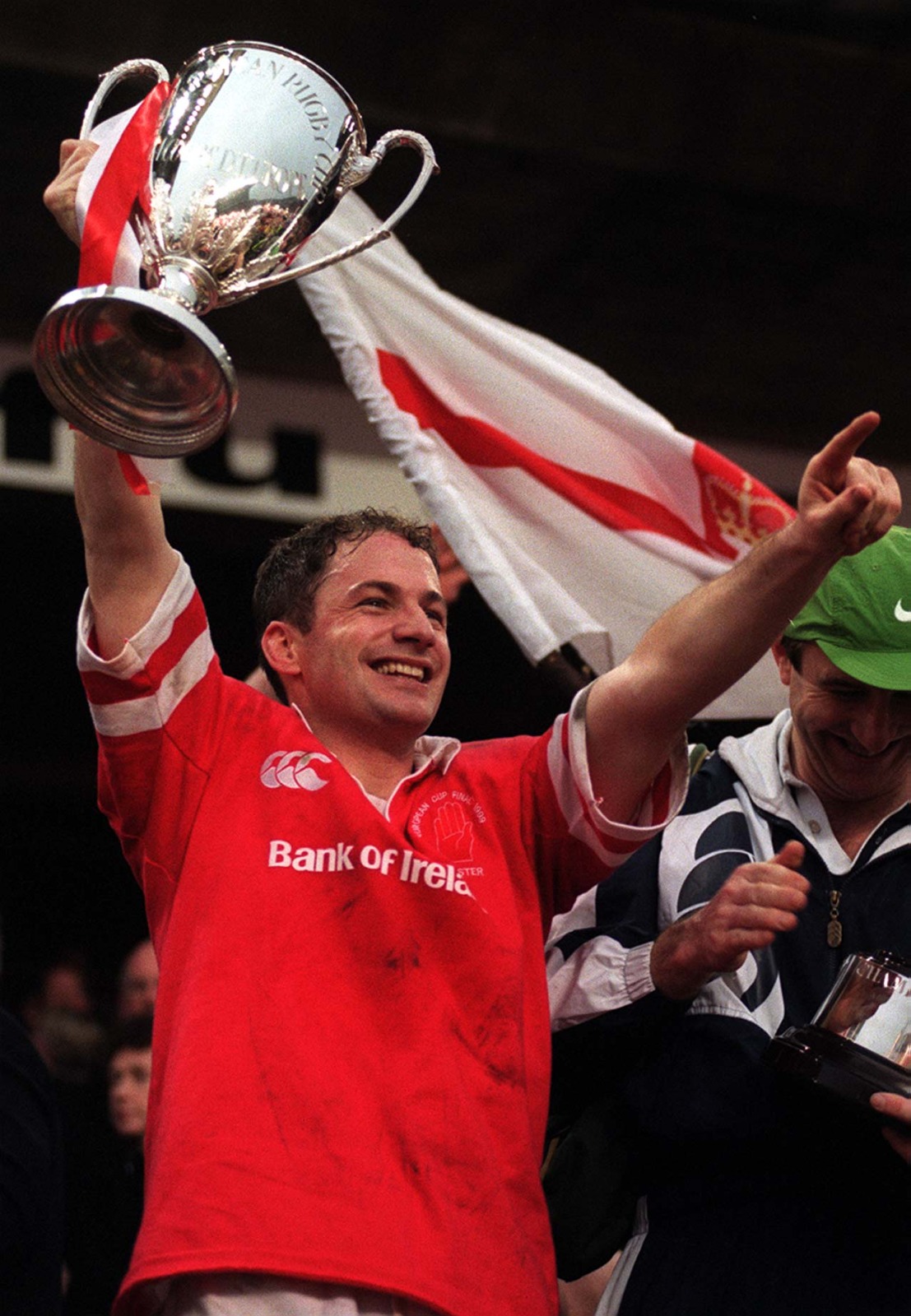
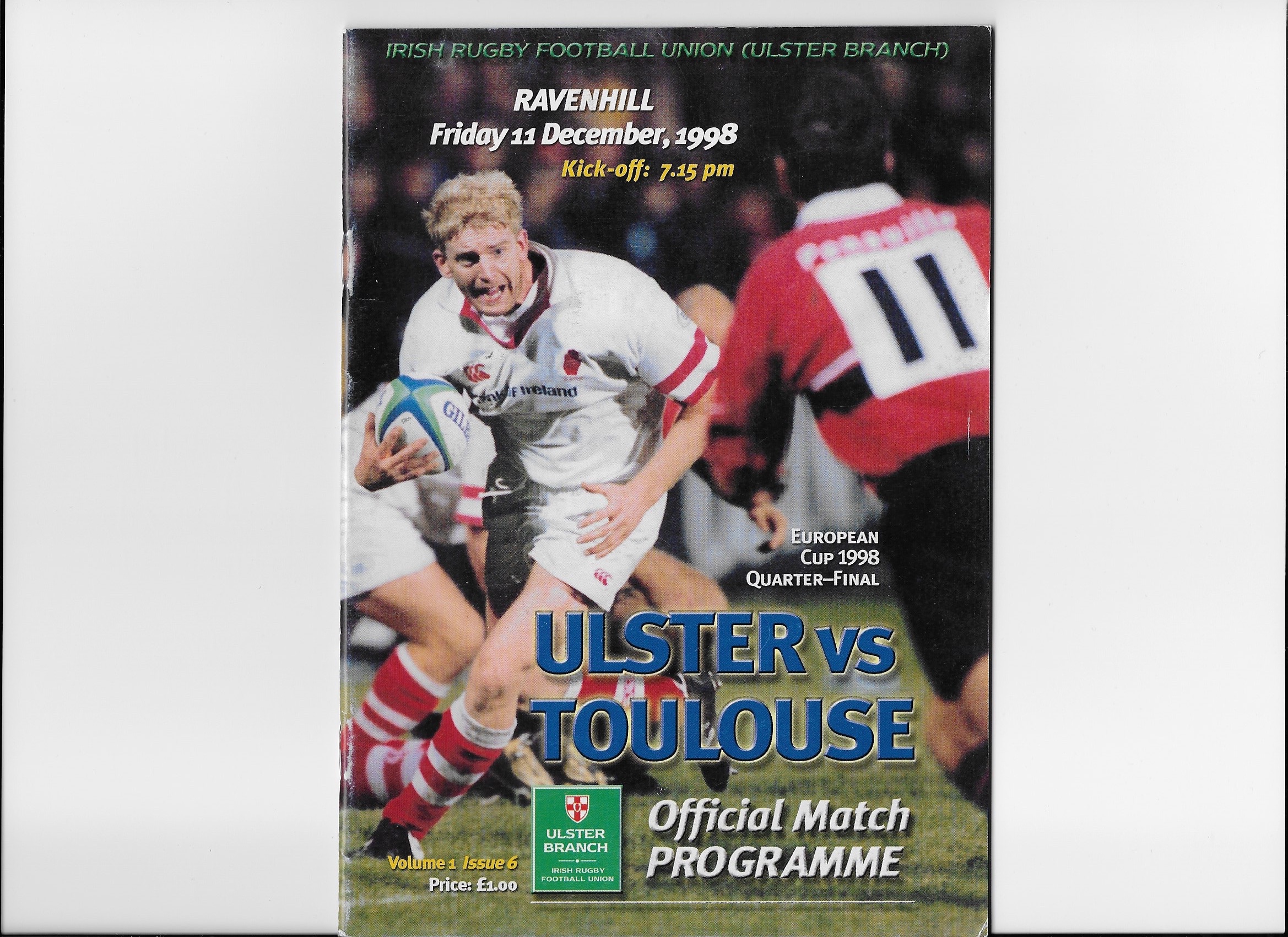
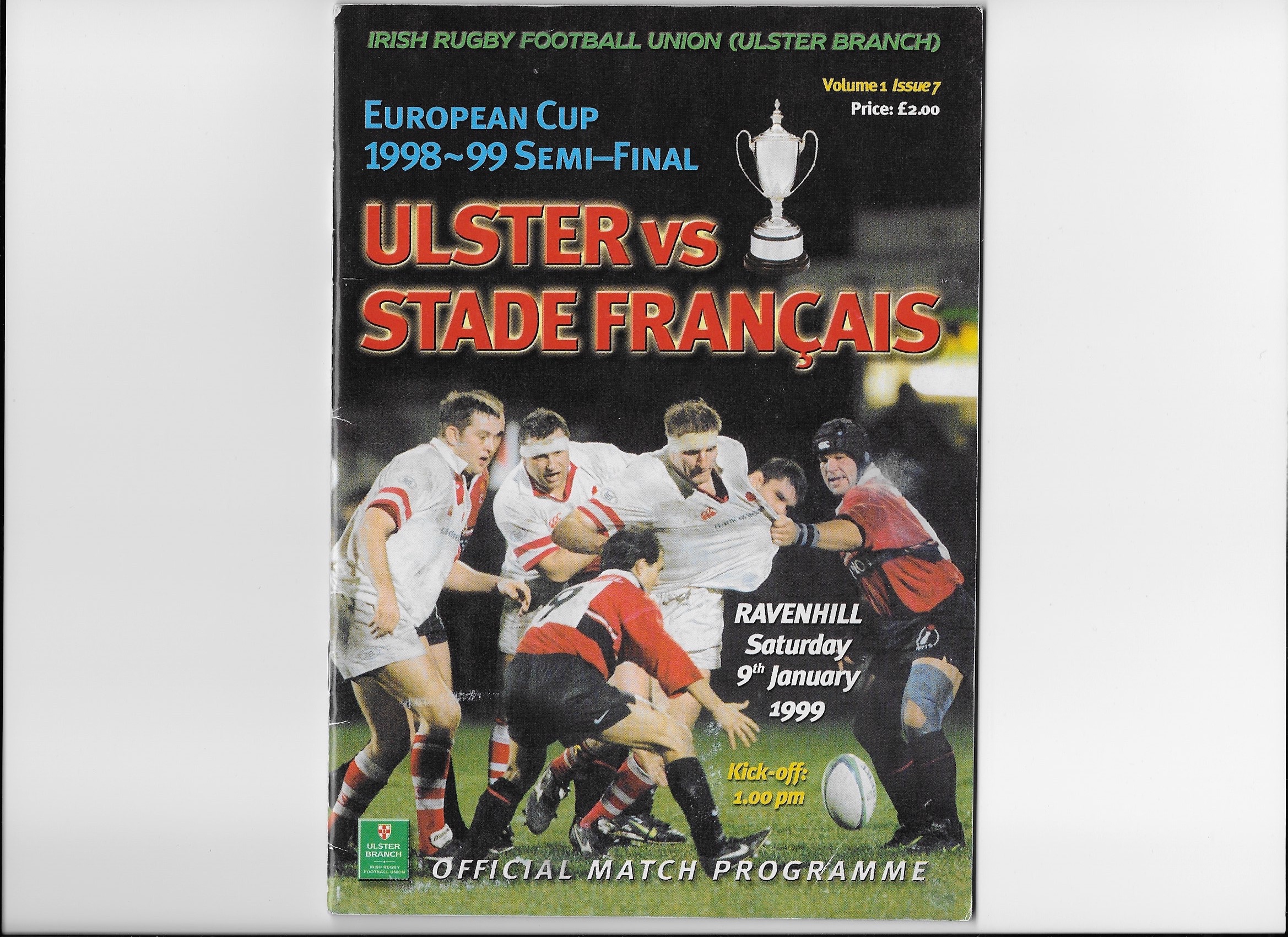
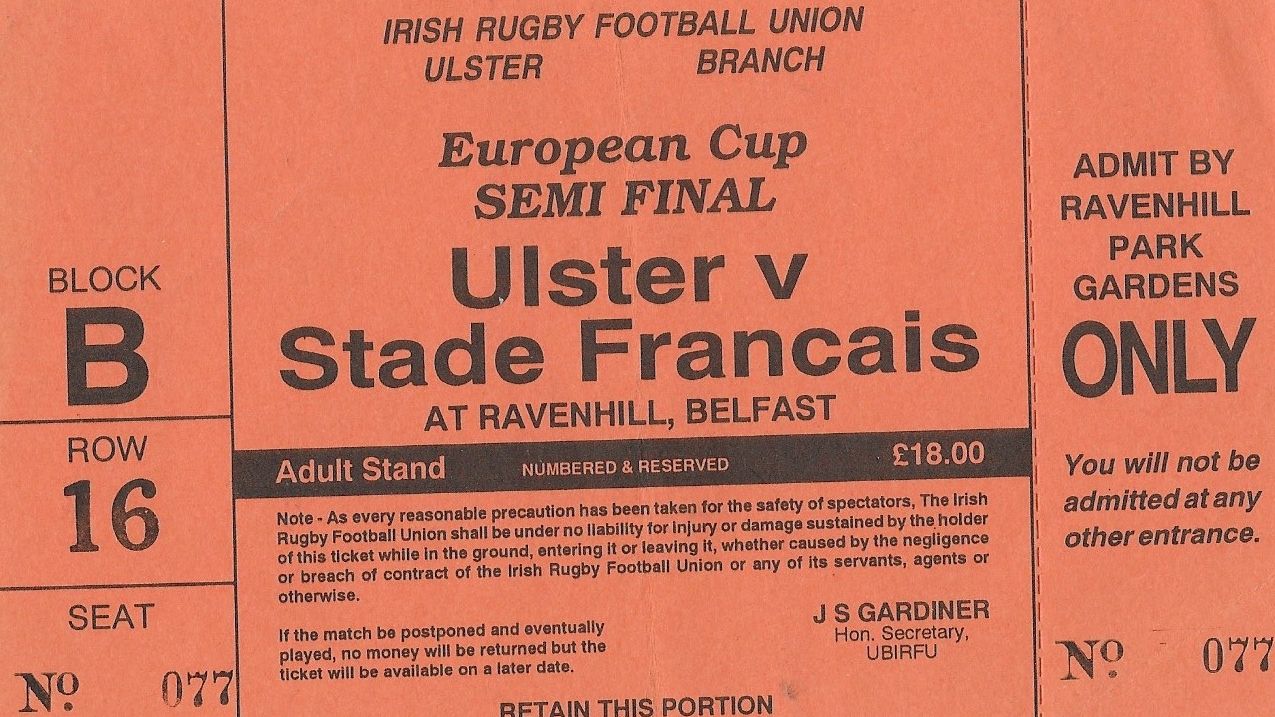
Ulster defeated Toulouse by 15-13 in the competition’s quarter-final stage and went on to defeat the French champions, Stade Francais, at a heaving Ravenhill in the semi. The contest was a thriller, ending in a 33-27 victory to put the province into the final.
Ulster skipper, David Humphreys, scored one of the tries of his career down the wing, with Simon Mason showing his accuracy from the tee once again. The scenes at the final whistle, will forever be remembered by those who were there that day.
Check out the trip down memory lane below!
Modern Era
In 2008 the stadium underwent it’s first modern revamp, as construction started on the now Premium Stand, to provide more corporate options for the modern club.
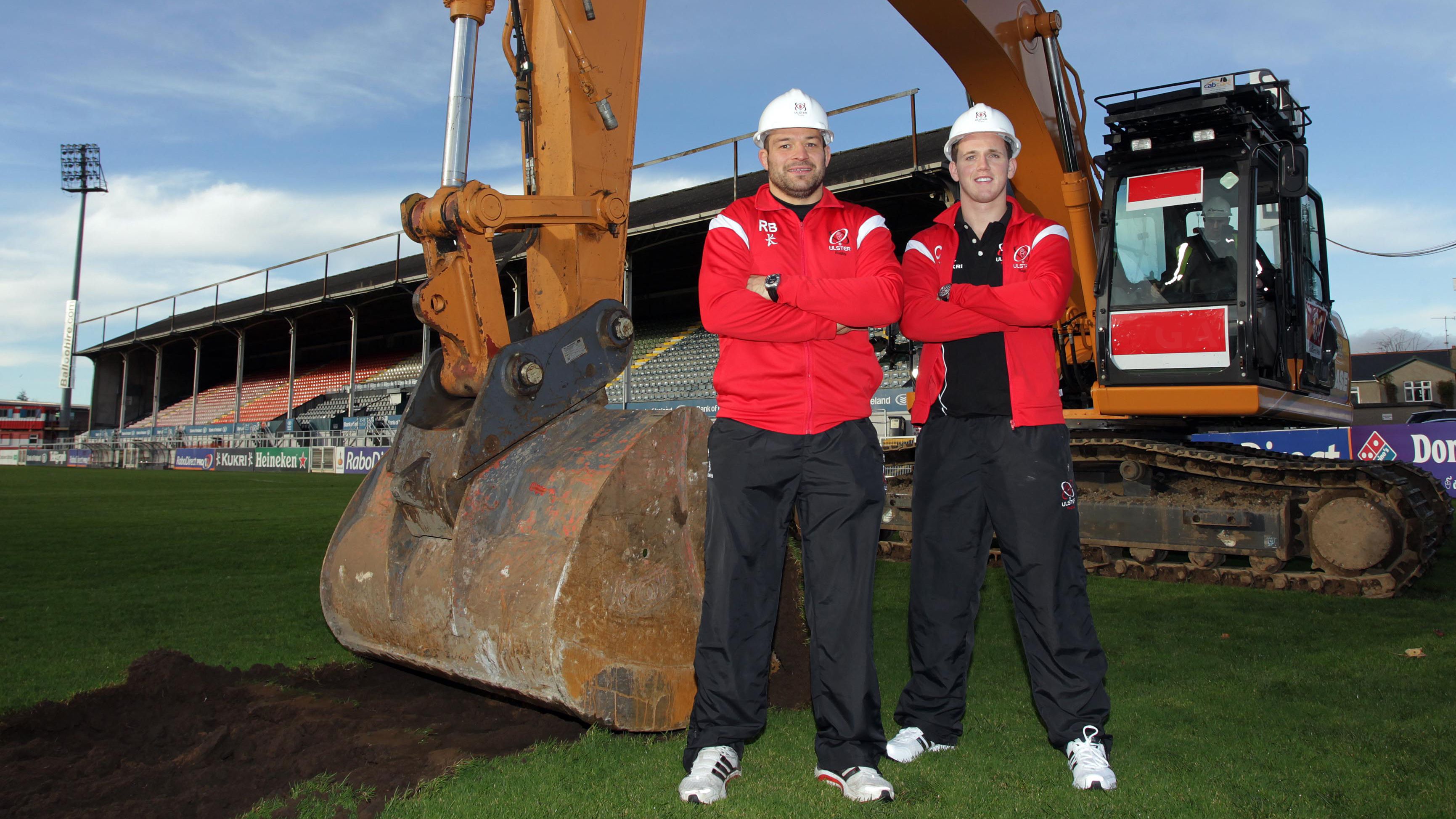
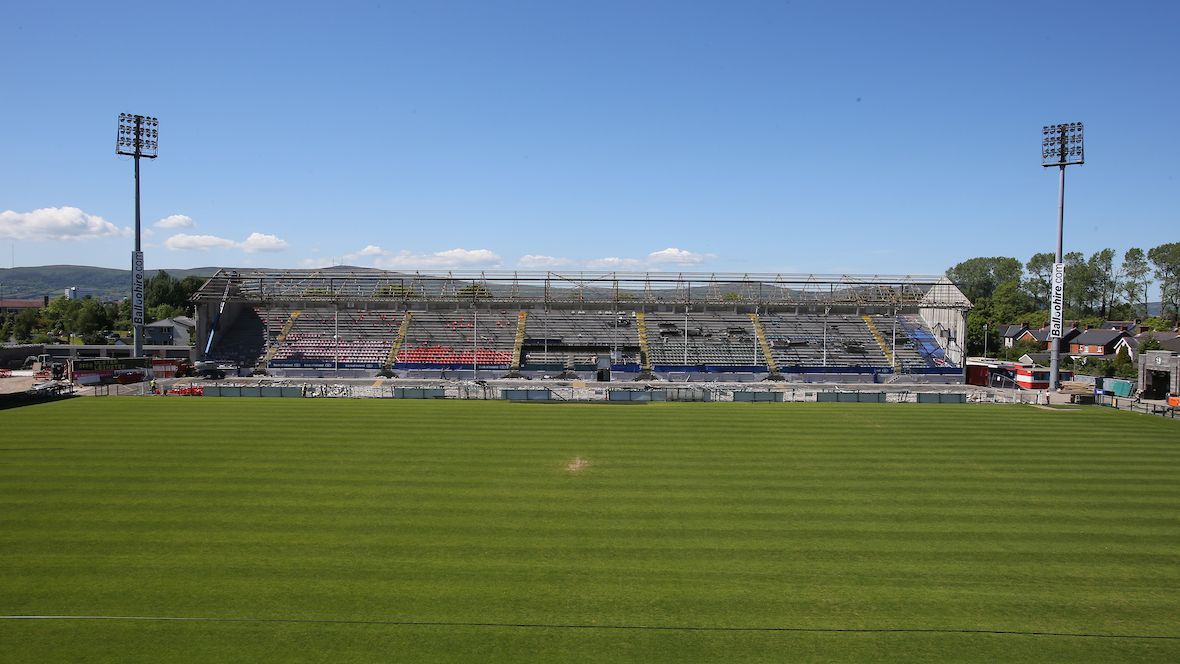
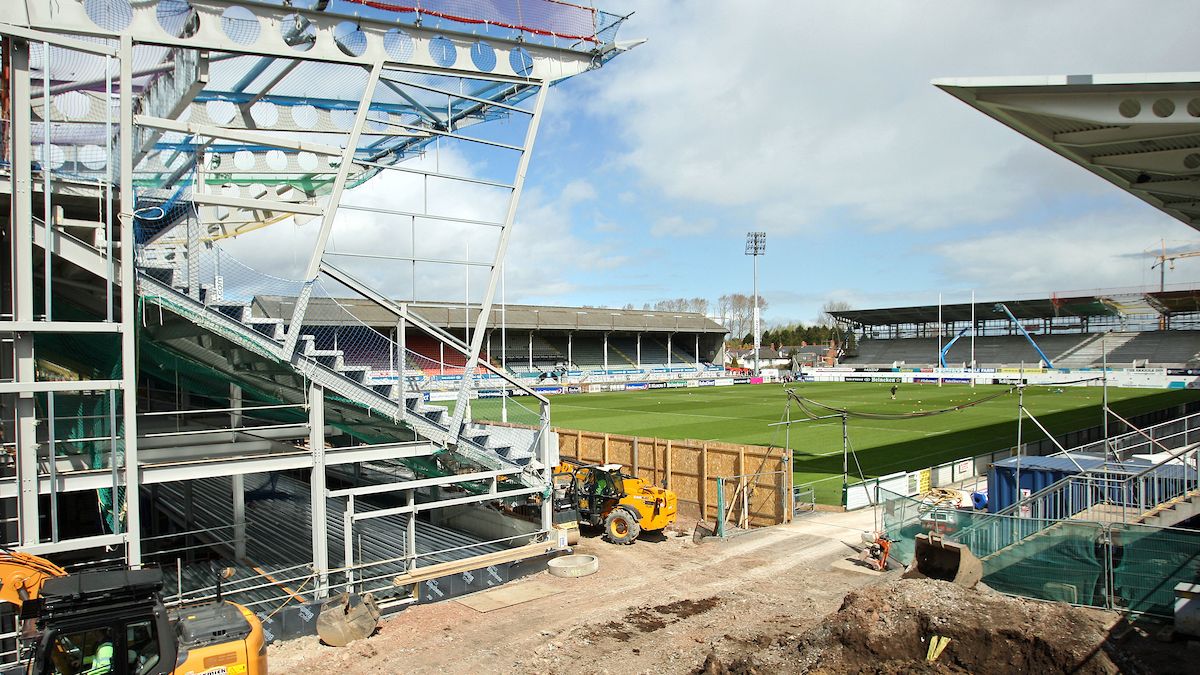
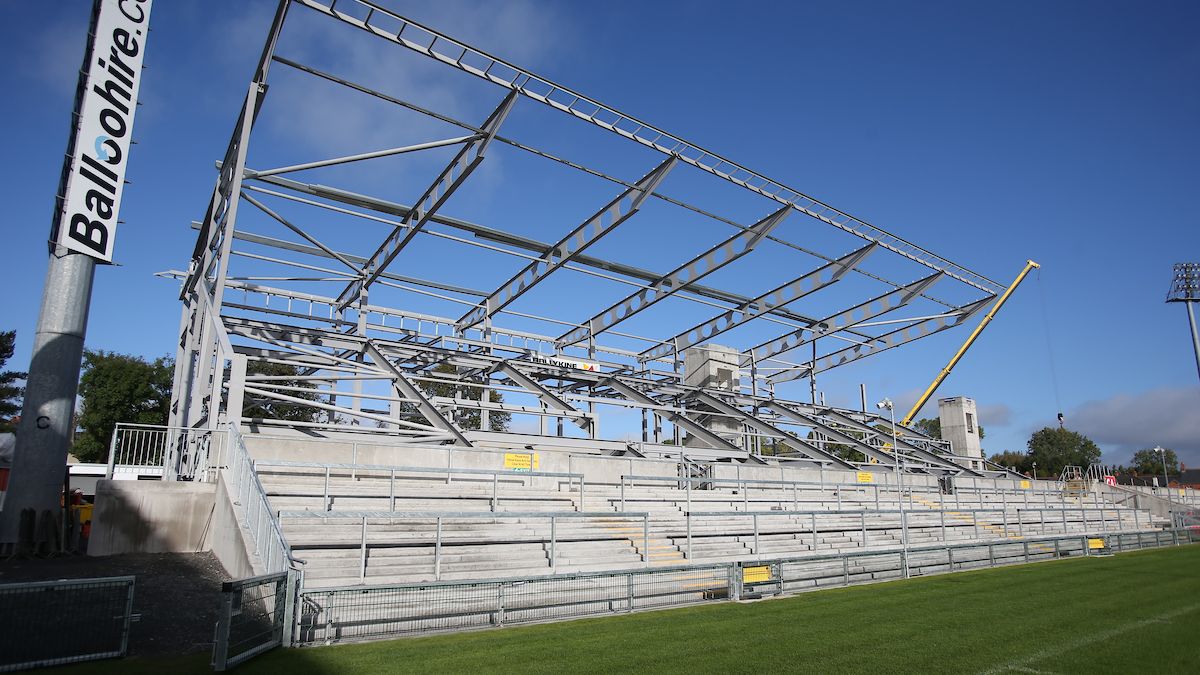
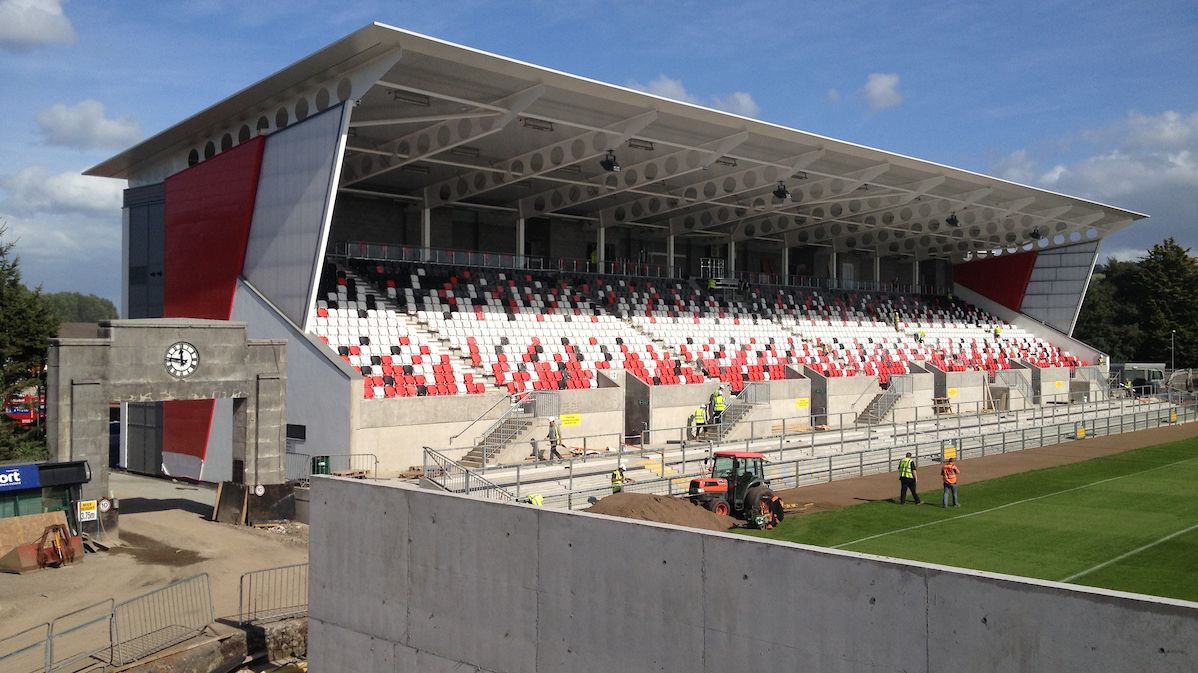
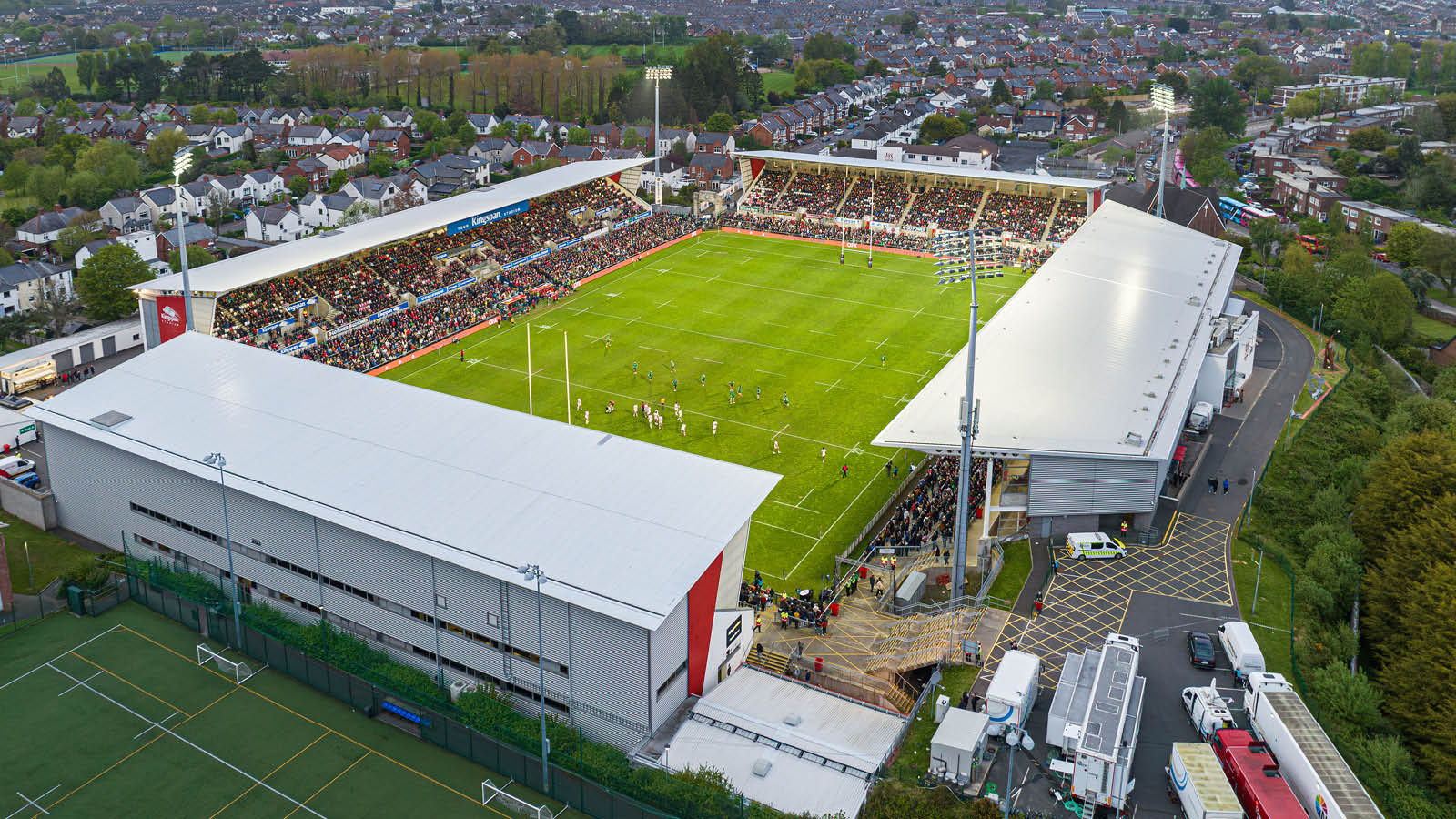
The ground’s next phase of redevelopment came in 2012, after funding from the Northern Ireland Executive and Department of Culture, Arts and Leisure. Three new stands were built in a phased approach, with capacity rising from 11,400 to 18,200.
The stadium now hosts the Ulster Rugby squad’s professional training base, consisting of a 7,000 square foot gym, meeting rooms and medical facilities.
Two years later, the club announced a 10-year stadium naming rights deal with Kingspan, which would change the ground’s name to Kingspan Stadium.
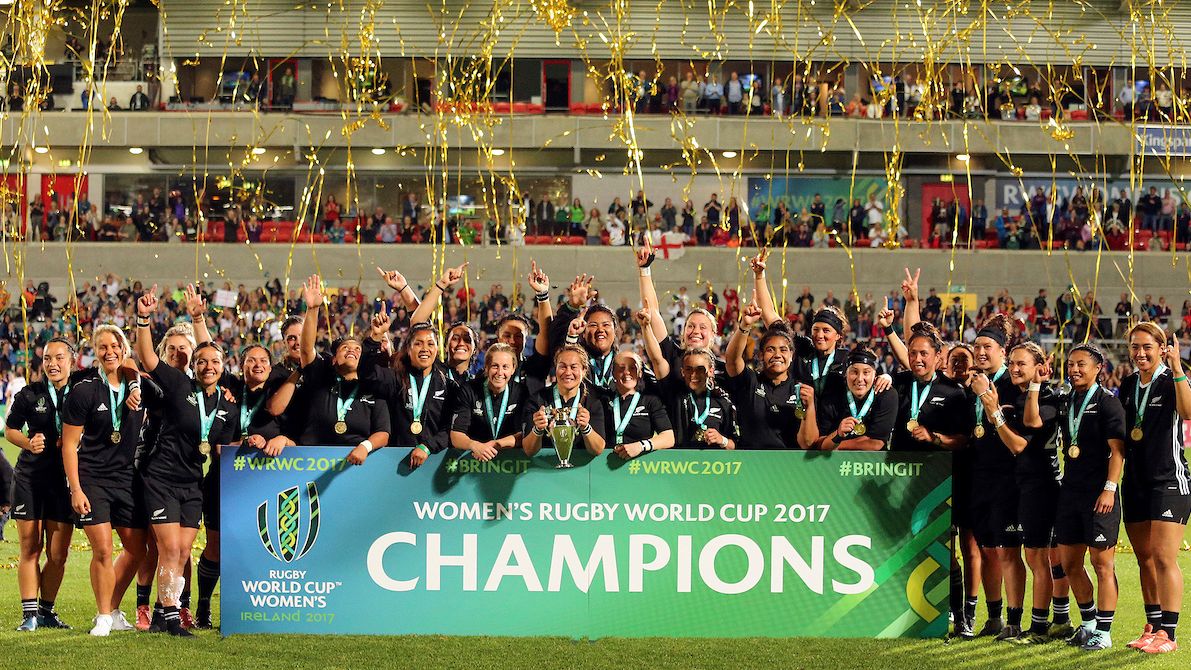
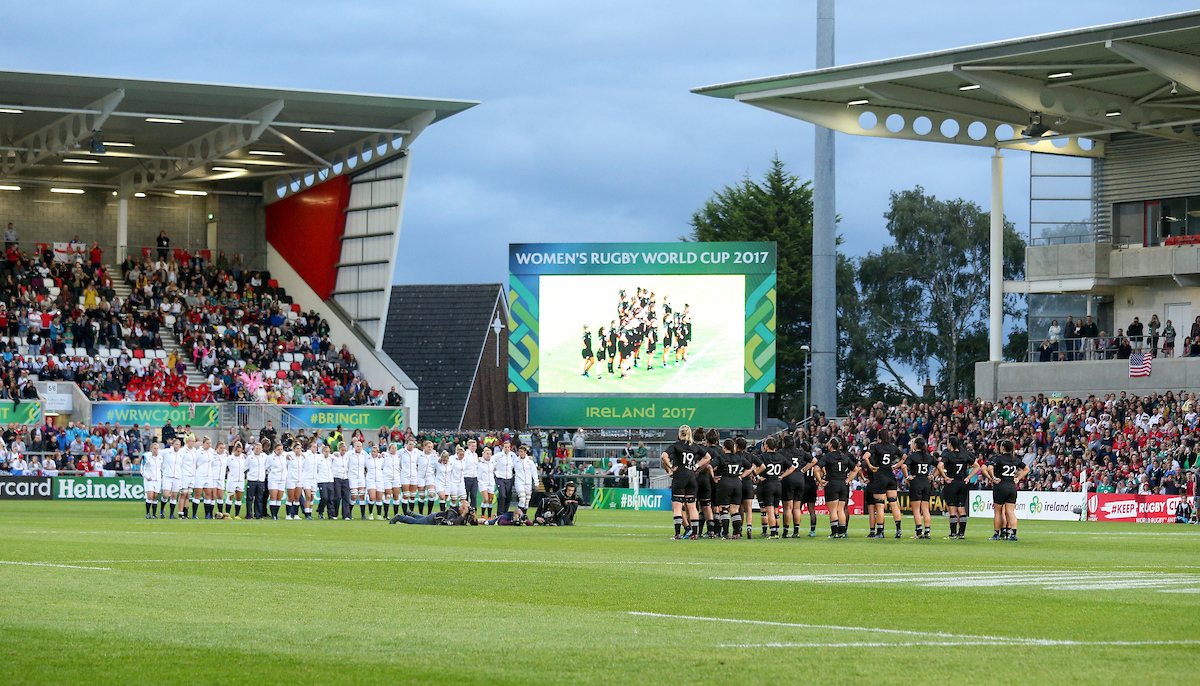
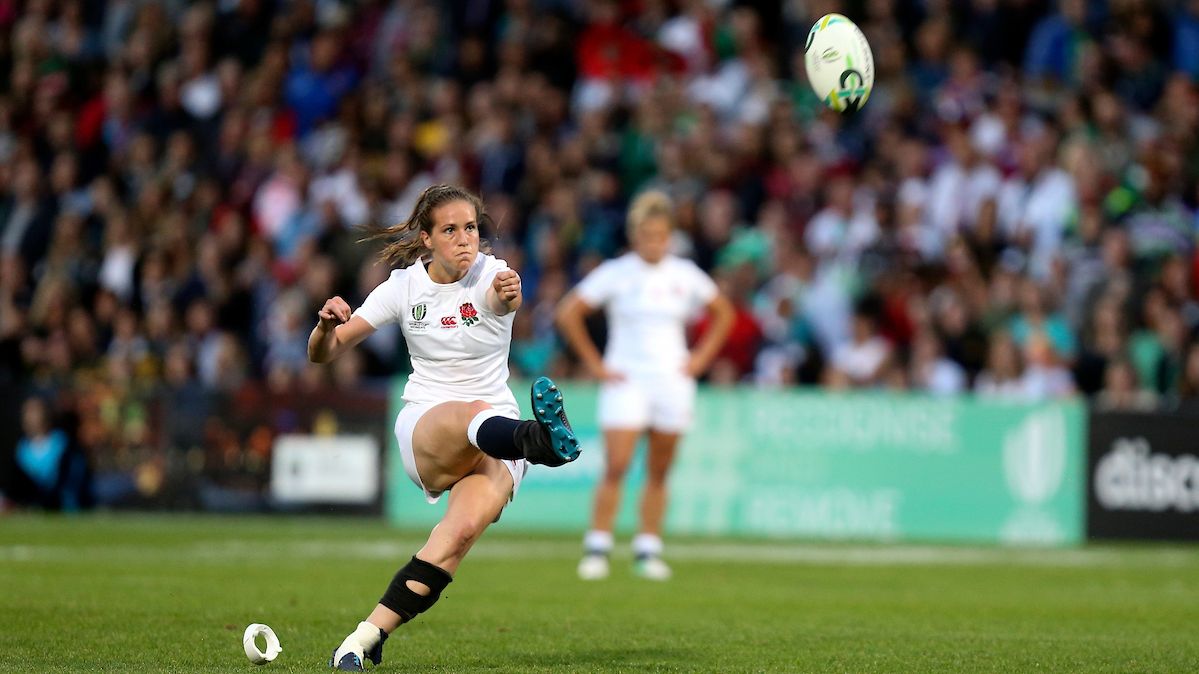
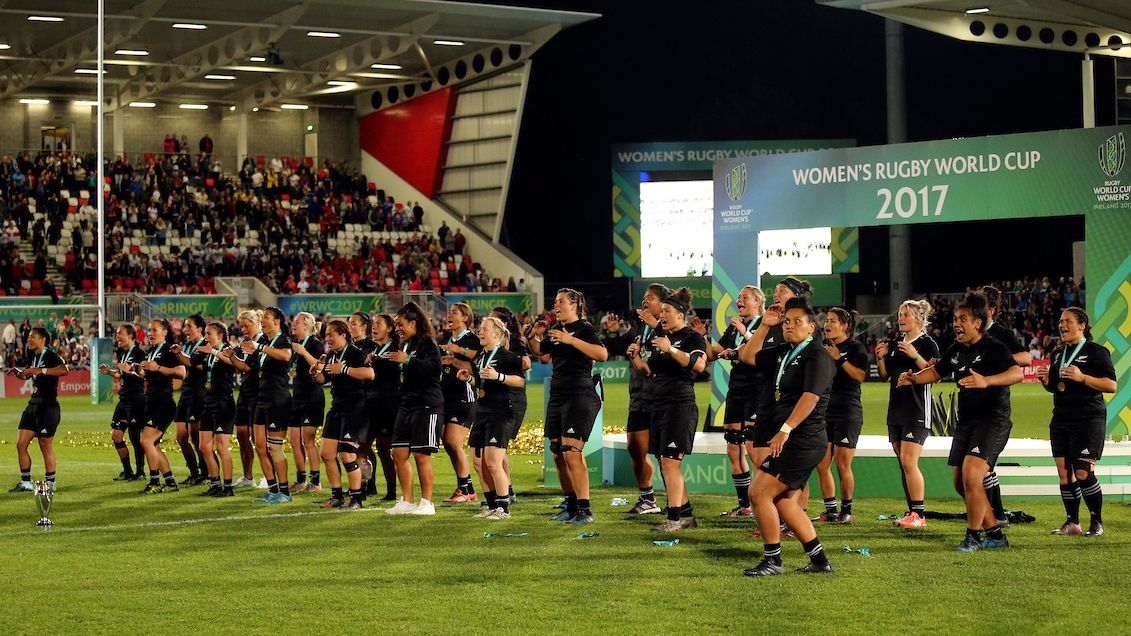
In a major coup for the province, the IRFU were awarded the chance to host the 2017 Women’s Rugby World Cup, with Kingspan Stadium being selected to host the World Cup Final.
The final was contested by England and New Zealand, with the All-Blacks winning by 41-32, despite going into the first half 7 points behind the Red Roses.
In the next stage of the stadium's development, Ulster Rugby installed a new state-of-the-art 3G artificial playing surface at Kingspan Stadium in 2023.
The move to 3G offers the province a more consistent playing surface for both training and home games for the professional squad.
The new pitch will also allow Ulster Rugby to continue to host the necessary games to grow and develop the grassroots game.
The stadium also introduced a new 'Ravenhill Suite' hospitality lounge which offers a new space at the top of the Family Stand for up to 35 guests to enjoy on a match night.
Headline image copyright: National Museums NI